Understanding the Role of Community Centers
Community centers serve as vital hubs for social engagement, cultural exchange, and resource accessibility in neighborhoods across the United States. This article explores their multifaceted roles and significance in fostering community spirit.
What Are Community Centers?
Community centers are typically public facilities designed to enhance community life by providing a space for social, educational, and recreational activities. According to the National Recreation and Park Association, these centers often offer programs that cater to diverse age groups, cultures, and interests, ensuring inclusivity and engagement.
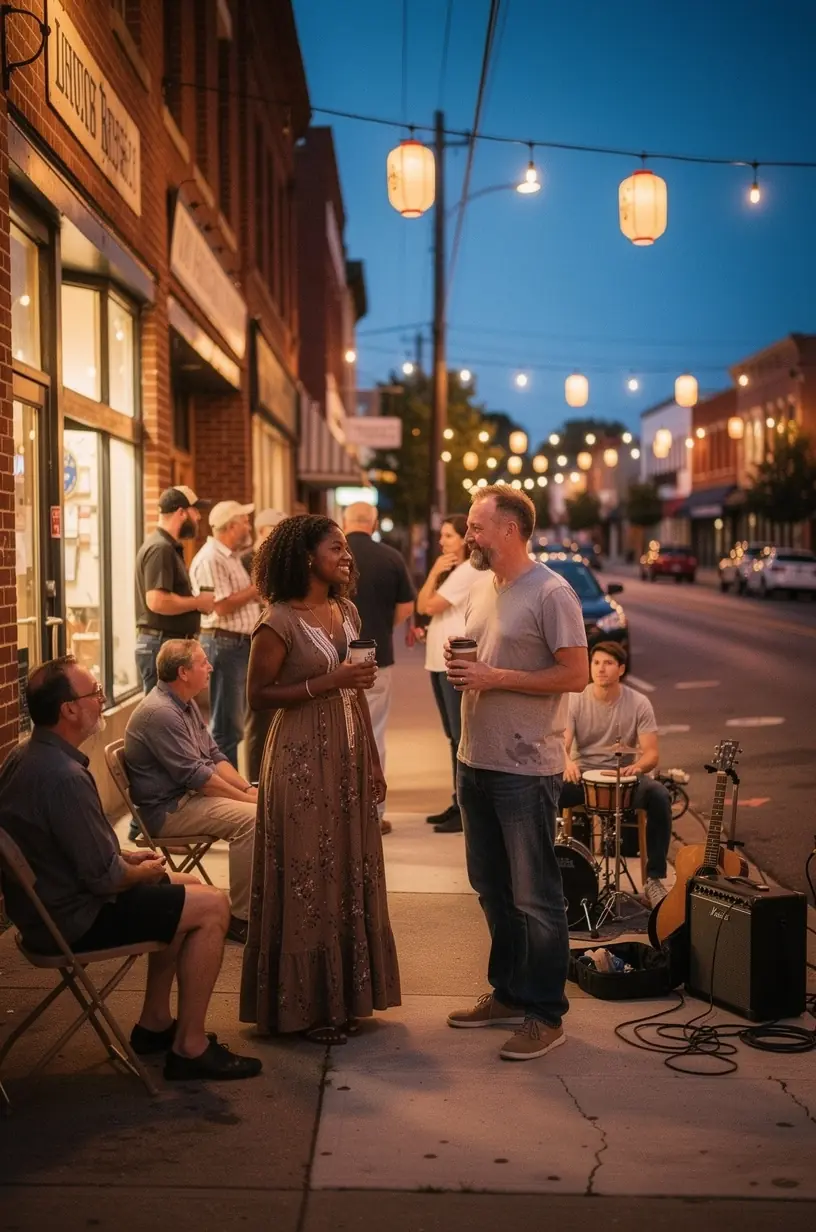
"Community centers not only provide essential services but also act as the heartbeat of local neighborhoods, uniting individuals and families." - Community Development Expert
The Importance of Community Centers
Research indicates that community centers play a crucial role in improving overall well-being and reducing social isolation. They often offer:
- Access to Resources: Many centers provide access to health services, educational programs, and job training, which can be particularly beneficial in underserved areas.
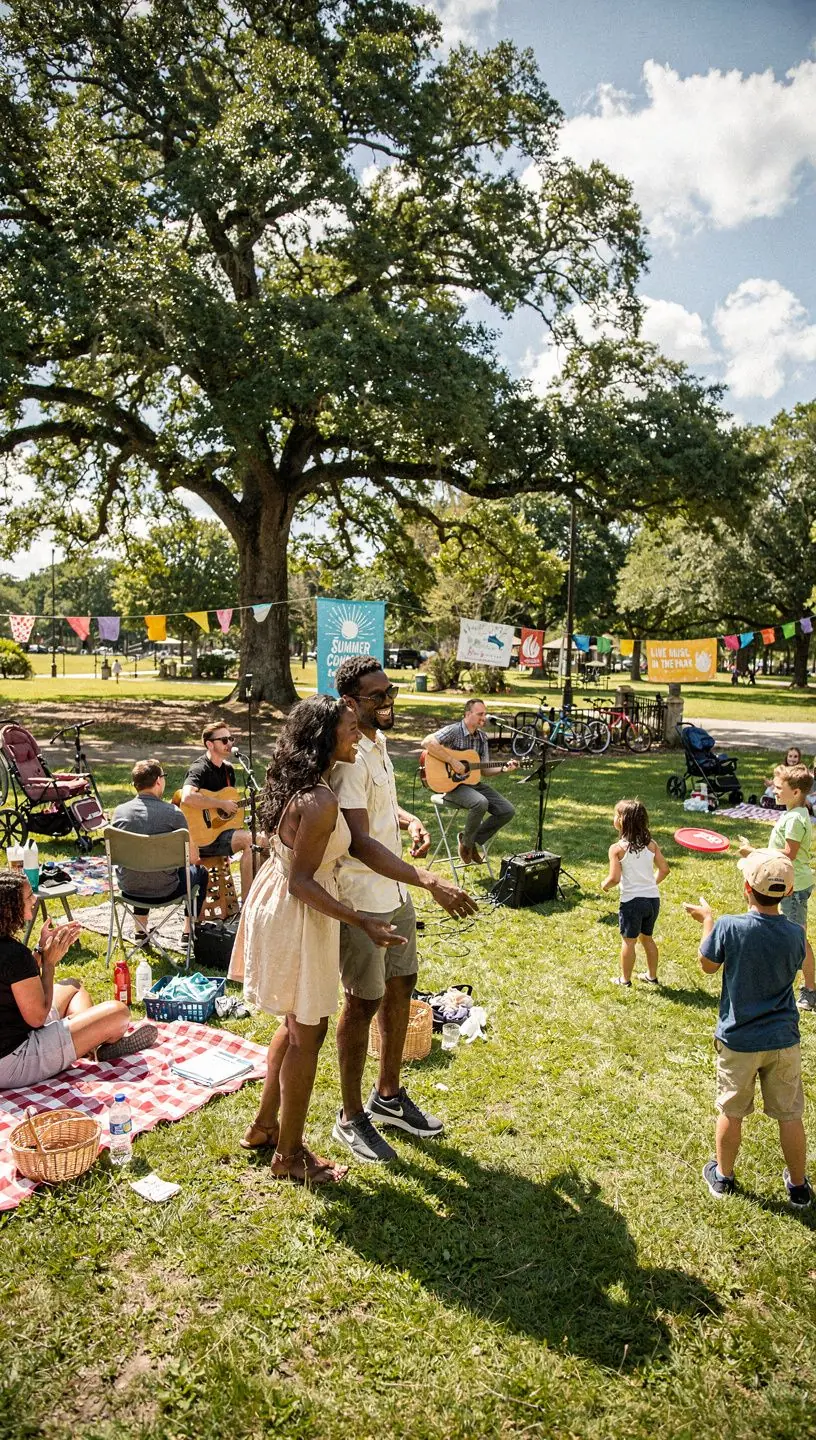
- Social Connectivity: Centers host events and activities that encourage interaction among residents, helping to build friendships and networks.
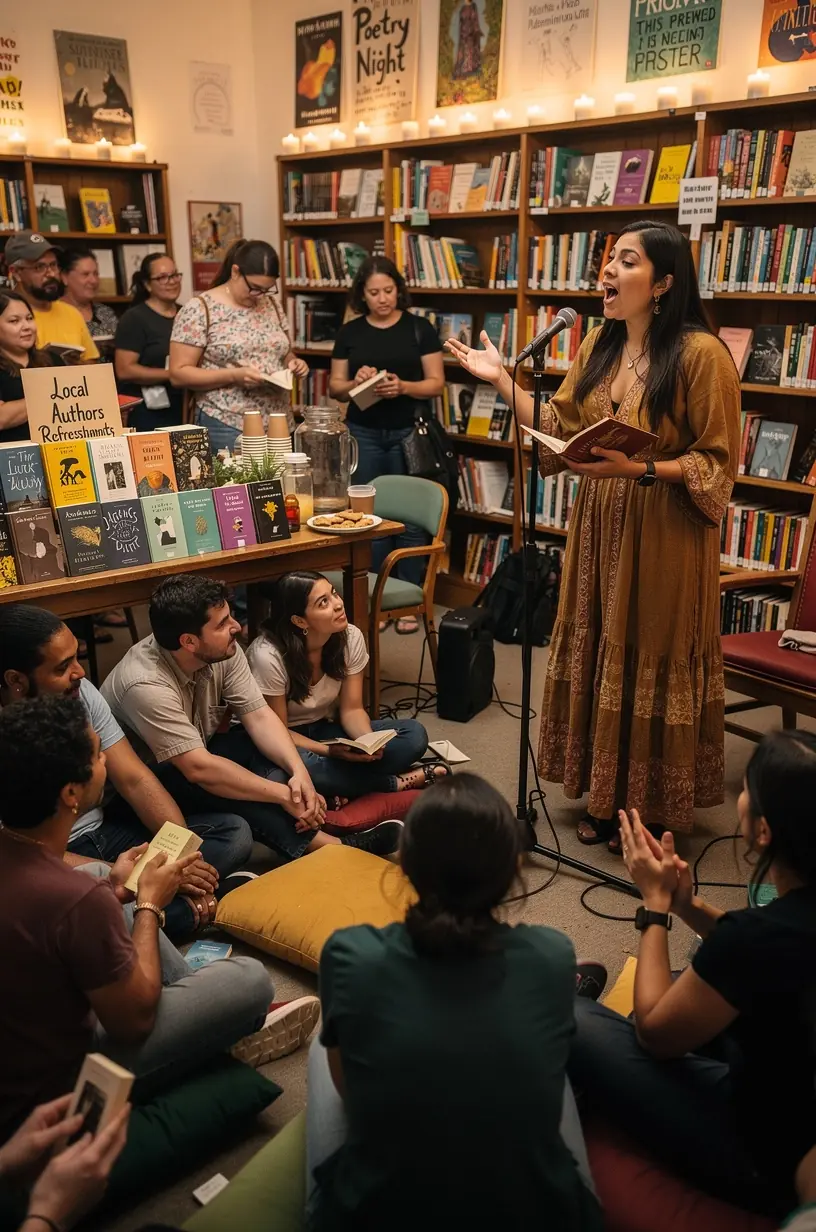
- Recreational Opportunities: Facilities typically include spaces for sports, arts, and various clubs, which may enhance physical health and creativity.
How Community Centers Foster Inclusivity
According to community studies, effective community centers prioritize inclusivity by offering programs that reflect the diverse interests of the population they serve. This can include:
- Multilingual Programs: Offering classes and events in multiple languages can help break down barriers for non-English speakers.
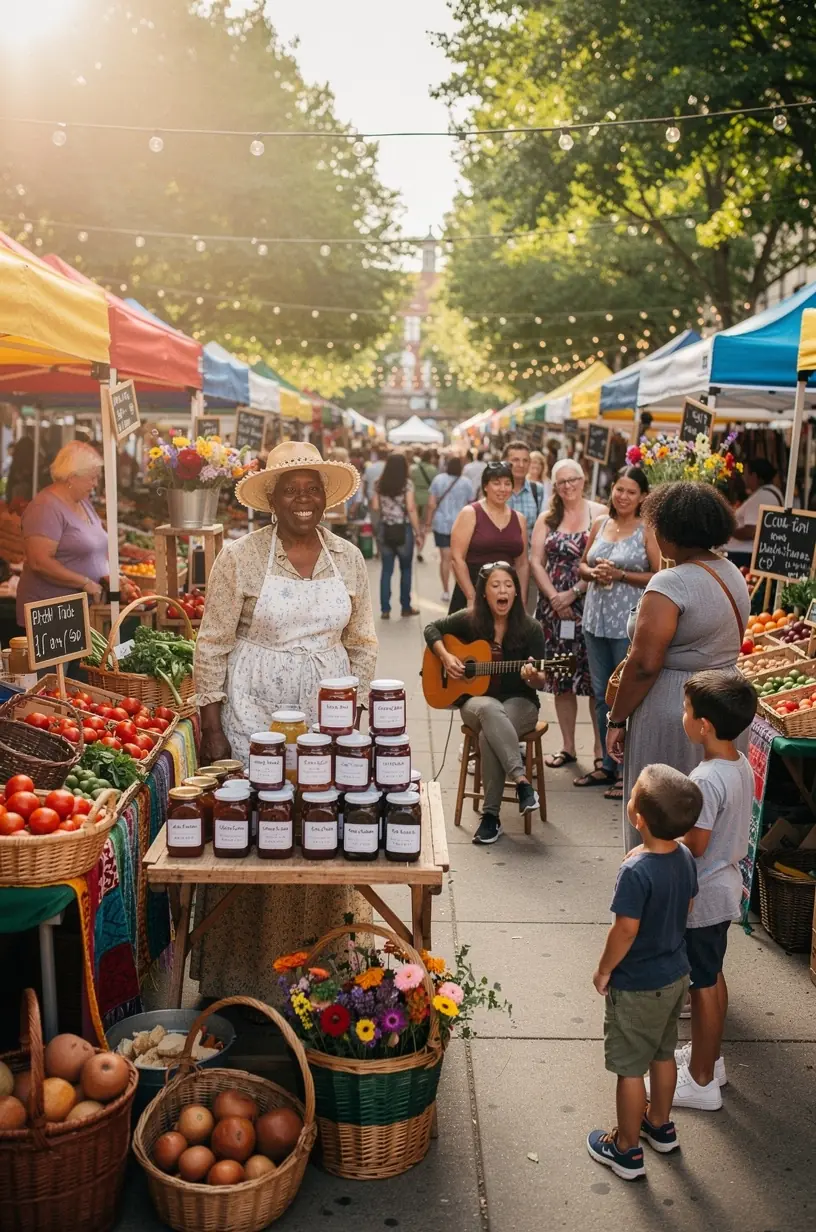
- Cultural Celebrations: Hosting cultural fairs and celebrations can promote understanding and appreciation of different backgrounds.
- Accessibility Features: Many centers are designed to accommodate individuals with disabilities, ensuring everyone can participate.
Challenges Faced by Community Centers
While community centers can be incredibly beneficial, they also face challenges. Funding is often a significant issue, as many rely on government support and community donations. In most cases, efforts to secure more funding are needed to maintain and expand services. Additionally, centers must continuously adapt to the evolving needs of the community, which often requires ongoing assessment and feedback.
Conclusion
In summary, community centers play a vital role in enhancing community life by providing essential resources, fostering social connections, and promoting inclusivity. While challenges exist, the benefits they offer are significant. Engaging with your local community center can lead to personal growth, enhanced well-being, and strengthened community ties. As experts suggest, a vibrant community center can be the cornerstone of a thriving neighborhood.