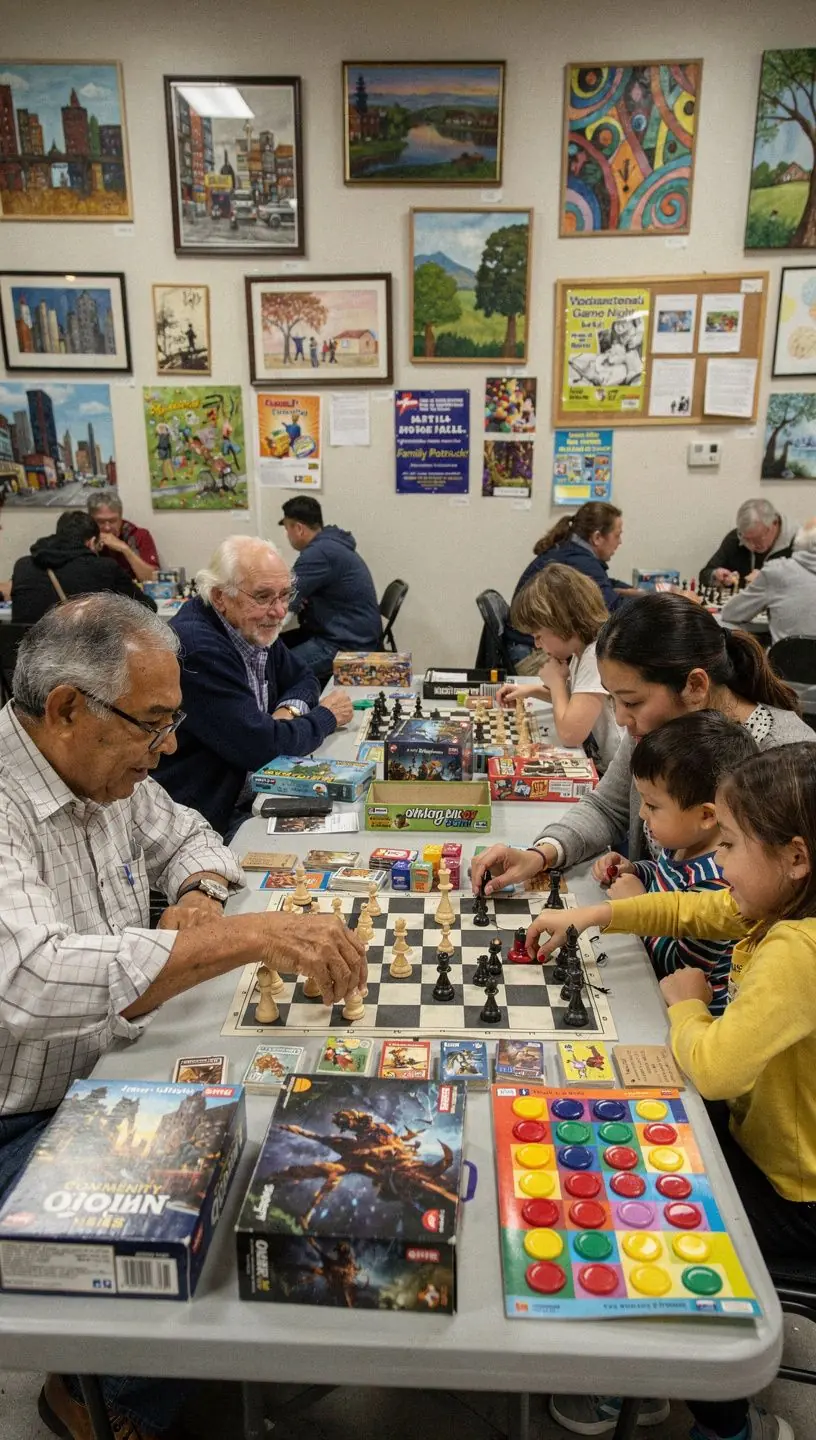
Insights into Board Game Trends in Neighborhoods
Board games have seen a resurgence in popularity across many neighborhoods in the United States. This article explores current trends in board gaming, how they are shaping community interactions, and what this means for enthusiasts and casual players alike.
The Growing Popularity of Board Games
According to recent studies, the board game industry has experienced a growth rate of approximately 20% annually over the last decade. This surge is often attributed to several factors, including the rise of social gaming, the desire for face-to-face interactions, and the increasing availability of diverse game options.

"Experts suggest that the nostalgia and social engagement offered by board games are driving this trend, particularly among millennials and Gen Z."
Social Engagement Through Gaming
One of the main reasons for the increase in board game popularity is the potential for social engagement. Many users report that board gaming provides a unique avenue for interaction that digital gaming often lacks. According to industry experts, game nights can foster community bonds and enhance relationships among players.
Community Events and Game Nights
- Local Game Nights: Many neighborhoods have started hosting regular game nights in community centers or local cafés. These events typically attract a diverse group of players, making them an excellent opportunity for socialization.
- Board Game Cafés: The rise of board game cafés combines food and gaming, creating a relaxed environment where players can try out new games and meet others.
- Social Media Groups: Online platforms have enabled the formation of community groups where enthusiasts can discuss games, organize meetups, and share recommendations.
Game Selection and Trends
Recent research indicates that players are gravitating towards games that offer unique mechanics, thematic depth, and replayability. Popular genres often include:
- Cooperative Games: Games that require team collaboration, such as "Pandemic" and "Gloomhaven," have gained significant traction. They often enhance social interaction by promoting teamwork.
- Legacy and Campaign Games: These games tell evolving stories, providing an immersive experience over several sessions, which many players find appealing.
- Quick-Play Games: Shorter games that can be played in 30 minutes or less are increasingly favored for their accessibility and ease of introduction to newcomers.
Challenges and Considerations
While the growth of board gaming is a positive trend, there are some challenges to consider:
- Time Commitment: Many board games require a significant time investment, which can be a barrier for casual players. Sessions can range from 30 minutes to several hours, depending on the game.
- Learning Curves: New players may find complex games daunting. Typically, it requires a learning phase that can take time, patience, and sometimes guidance from experienced players.
- Game Costs: High-quality board games can be expensive, and while many users find them worth the investment, it can deter newcomers.
Conclusion
In summary, the board game trend in neighborhoods across the US highlights a shift towards social interaction and community building. This resurgence is supported by various factors, including the desire for personal connections and the enjoyment of cooperative gameplay. While challenges exist, such as time commitments and learning curves, the benefits of fostering community ties through board gaming are clear. As neighborhoods continue to embrace this trend, they open doors for socialization and entertainment that can enrich lives.
Learn More