Creating Inclusive Spaces for Neighborhood Events
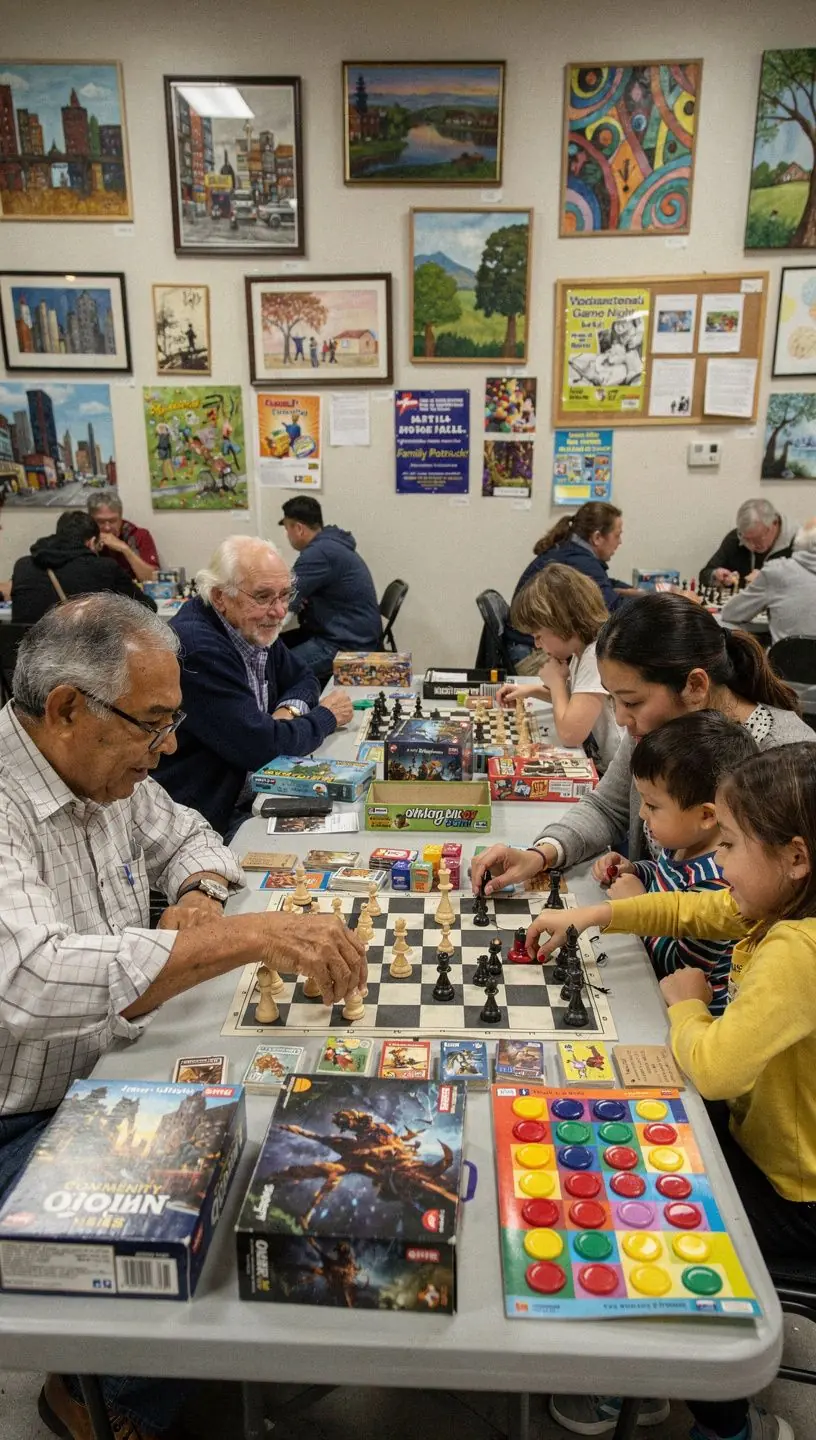
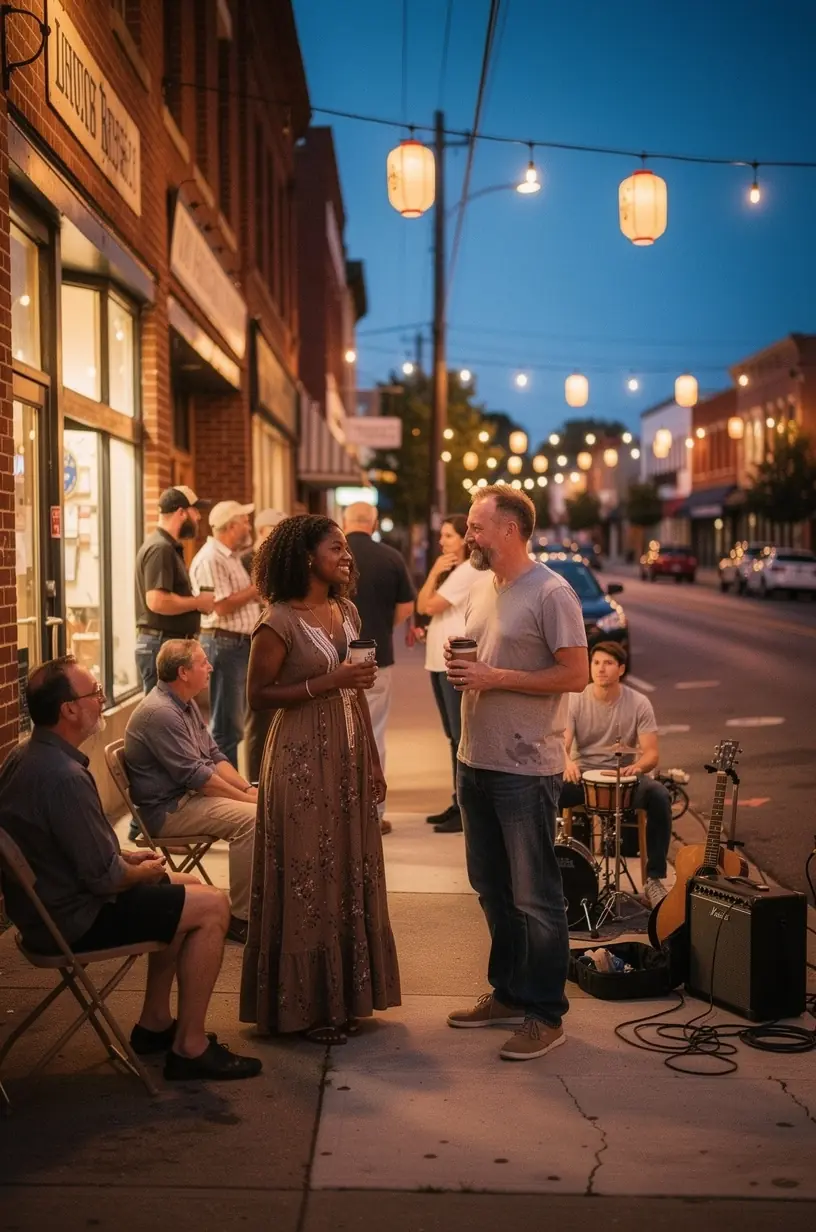
As neighborhoods come together to host events like board game nights, social clubs, and small concerts, it is crucial to consider how to create spaces that welcome everyone. Inclusivity in neighborhood gatherings not only enriches the community experience but can also foster connections across diverse groups. This article explores practical strategies for ensuring that neighborhood events are accessible and inclusive for all participants.
Understanding the Importance of Inclusivity
According to studies on community engagement, inclusive events tend to see higher participation rates, which in turn strengthens neighborhood ties. Research indicates that environments which encourage diversity can lead to increased creativity and collaboration among participants. Experts often recommend that event planners consider the various backgrounds and needs of potential attendees when organizing activities.
"Creating inclusive spaces is essential for fostering a sense of belonging among community members." – Community Engagement Expert
Practical Strategies for Inclusive Events
- Assess Accessibility: Before planning an event, it is important to assess the location for physical accessibility. This means ensuring that venues are wheelchair-friendly, have accessible restrooms, and consider auditory or visual accommodations for those with disabilities. Many users report that providing such accommodations makes a significant difference in attendance.
- Diverse Representation: When curating events, strive to include a diverse panel of speakers or facilitators. Research shows that when people see others who resemble them in leadership roles, they are more likely to feel welcomed. This can involve inviting local artists from different backgrounds for concerts or engaging community leaders from various social clubs.
- Inclusive Communication: Use clear and inclusive language in marketing materials and announcements. This involves avoiding jargon and ensuring that information is easily understandable. Additionally, consider providing materials in multiple languages, which can be essential in neighborhoods with diverse populations. According to industry standards, this practice can significantly enhance participation from various community groups.
Encouraging Participation from All Community Members
To encourage participation from all segments of the community, it can be beneficial to create a feedback loop. After an event, gathering input from attendees about their experiences and suggestions can help improve future gatherings. This process typically takes some time and requires consistent effort, but it can lead to valuable insights on how to make events even more inclusive.
Conclusion
Creating inclusive spaces for neighborhood events is not just a checklist item; it is a vital part of fostering a welcoming community. By implementing practical strategies such as assessing accessibility, ensuring diverse representation, and encouraging open communication, communities can create events that resonate with a wider audience. Remember, the goal is to foster connections and create a sense of belonging—a mission that takes continuous effort and dedication, but ultimately pays off in stronger community ties.